
Banat Digital Heritage Portal

Posted on: April 24th, 2026 by Papp Ildikó

Resicabanya 01
Resicabanya 02
Resicabanya 03
Resicabanya 04
Resicabanya 05
Resicabanya 06
Resicabanya 07
Resicabanya 08
Resicabanya 09
Resicabanya_01
Resicabanya_02
Resicabanya_03
Resicabanya_04
Resicabanya_05
Resicabanya_06
Resicabanya_07
Resicabanya_08
Resicabanya_09
previous arrow
next arrow
Resicabanya_01
Resicabanya_02
Resicabanya_03
Resicabanya_04
Resicabanya_05
Resicabanya_06
Resicabanya_07
Resicabanya_08
Resicabanya_09
previous arrow
next arrow
Shadow


A Cross‑Border Digital Journey Through Banat’s Heritage

The Banat Heritage Portal project (Interreg IPA Romania–Serbia, code RORS-00227) is a cross-border initiative aimed at protecting and promoting the cultural heritage of Banat through digitization and the creation of a shared database accessible to the public. The project is implemented by two institutional partners:

Within the project, the IT service provider is Qulto, which provides the digital infrastructure necessary for the collection, organization, and online publication of the digitized cultural heritage.

Banat is a region with a complex historical identity, divided today between Romania and Serbia. This administrative division has led to the dispersion of cultural heritage across different institutions, with varying resources and standards. The Banat Digital Heritage project aims to overcome these limitations through a shared platform where heritage is digitally brought together, regardless of borders. The developed database facilitates public access to information, images, documents, objects, and multimedia resources, serving as both a working tool for specialists and a means of cultural promotion for the general public.

The project includes activities such as digitizing museum collections, taking photographs and 3D scans, documenting historical sites, developing virtual tours, and integrating these materials into a unified digital platform.

For the Romanian side (the Banat Mountain Museum in Reșița), Qulto is the main technical partner, through:

As part of this project, Qulto also organized a series of digitization workshops as well as a conference titled: “Cultural Heritage, Between Technology and Tourism – Best Practices and Successful Projects.” (October 2025)

On the Serbian side, Qulto contributed by building a digital makerspace that includes the same applications for creating similar content.

At the end of the project, the objects, documents, and photographs digitized in the two countries, as well as the digital content created through the Digital Makerspace, will be brought together on a shared platform.
Qulto Stat

Posted on: April 23rd, 2025 by Papp Ildikó

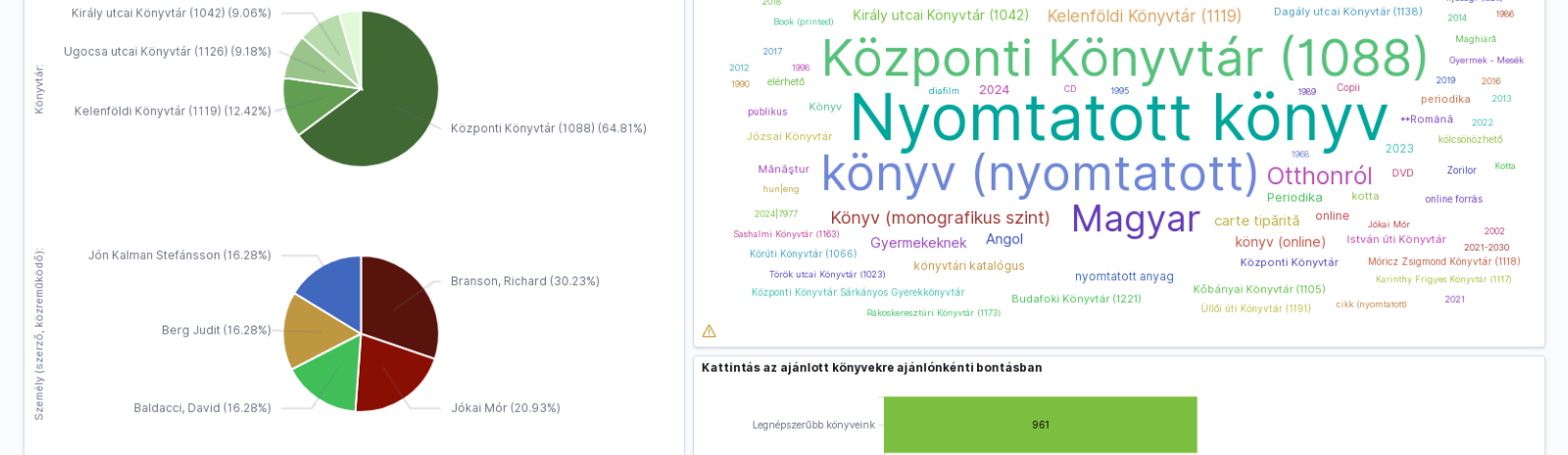
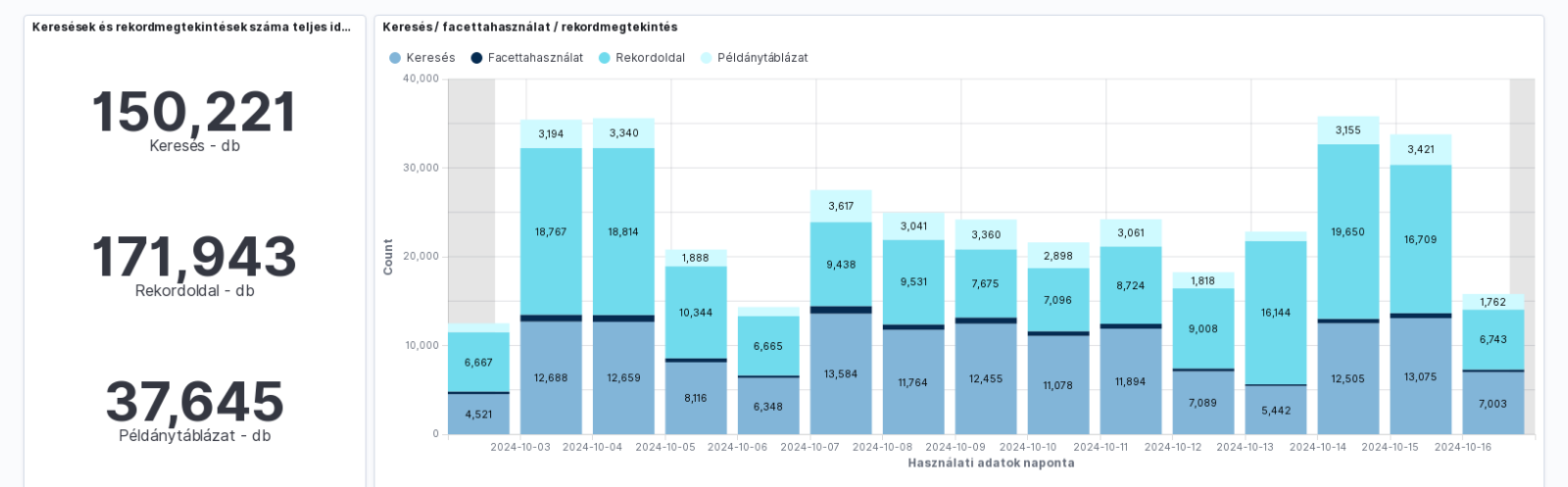
The Qulto STAT central web service enables our partner institutions using the Qulto product portfolio to produce up-to-date data visualisations from the statistical event log entries of the products they use to support their management decision making processes.

Stat3

The service includes pre-compiled dashboard templates for each product, which contain data visualisations that help to track the most important usage processes, trends and correlations for the given products. These dashboard templates are immediately available to all institutions using Qulto Stat services, but it is also possible to customise them (to make minor or major changes to some data visualisations, to add data visualisations that are not yet on the dashboard but that show a process important for the institution). It is even possible to create a completely new dashboard (e.g. focusing on a specific aspect, function or process group) for Qulto Stat administrators with the appropriate rights.

For customising dashboards, data visualisations and creating new dashboards, the web application offers a graphical user interface, so no administrator or programming skills are required. However, in order to create data visualisations that illustrate processes and relationships well, a basic knowledge of log data, data structures, statistical concepts and data visualisation methods is required.

Stat2

Data visualisations are based on statistical log event entries from Qulto products. The range of these log event entries is gradually expanding: more and more Qulto products are providing data to the central Qulto STAT service, and the data content of each log event entry is also gradually being enriched to help us to analyse trends and correlations with as much data as possible. The development of Qulto Stat in this direction is ongoing and scheduled.

Military History Institute and Museum

Posted on: June 7th, 2024 by Papp Ildikó
Hadimustra 01
Hadimustra 02
Hadimustra 03
Hadimustra 04
Hadimustra 05
Hadimustra 06
Hadimustra 07
Hadimustra 08
Hadimustra 09
Hadimustra 10
Hadimustra 11
Hadimustra 12
Hadimustra 13
hadimustra_01
hadimustra_02
hadimustra_03
hadimustra_04
hadimustra_05
hadimustra_06
hadimustra_07
hadimustra_08
hadimustra_09
hadimustra_10
hadimustra_11
hadimustra_12
hadimustra_13
previous arrow
next arrow
hadimustra_01
hadimustra_02
hadimustra_03
hadimustra_04
hadimustra_05
hadimustra_06
hadimustra_07
hadimustra_08
hadimustra_09
hadimustra_10
hadimustra_11
hadimustra_12
hadimustra_13
previous arrow
next arrow
Shadow

The temporary exhibition of the Military History Museum entitled ‘Hadimustra’ opened in Székesfehérvár at the end of May 2024. The 18-room exhibition features a wealth of artefacts, a spectacular timeline and digital content, providing an insight into the past centuries of Hungarian military history, from the struggle against Ottoman rule to the armaments of the Hungarian Defence Forces of today. It was our company’s task to display the above digital content in cooperation with the Institute. In the completed project, a total of 9 terminals bring to life the Hungarian weapons of different eras, the primary symbols of the armed forces and military service: flags, uniforms and medals, as well as the relics and documents of the everyday life and holidays of our soldiers.

Following the colour scheme of the exhibition spaces, each terminal, displayed in thematic rooms, has a unique landing page where visitors can immerse themselves in the exhibition through quizzes, 3D puzzles, a timeline battle map, a battle history game and a full-screen gallery with 3D elements.

In addition to the gamified content available on the touch screens, a responsive thematic portal (OPAC Liferay 7) has been created, including

also awaits those interested in the subject.