
Custom recommendations
Automatic and curated recommendations: newest, most popular, our staff recommend.
A custom public catalogue tailored to your institution’s brand, with online patron services from registration to payment, available anywhere, 24/7.
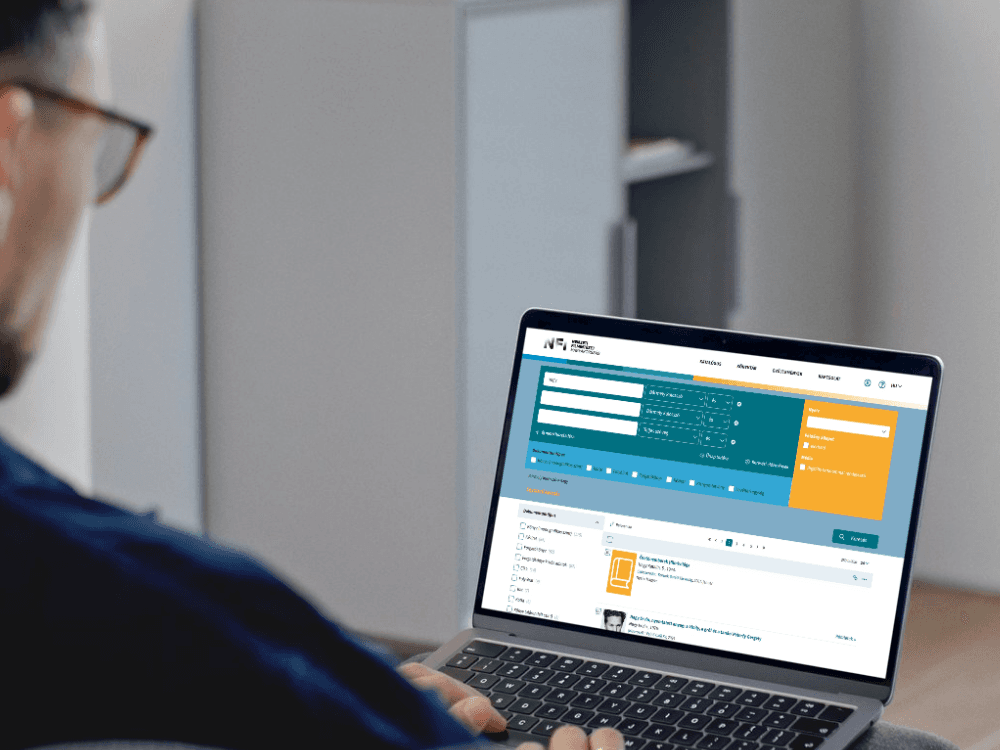
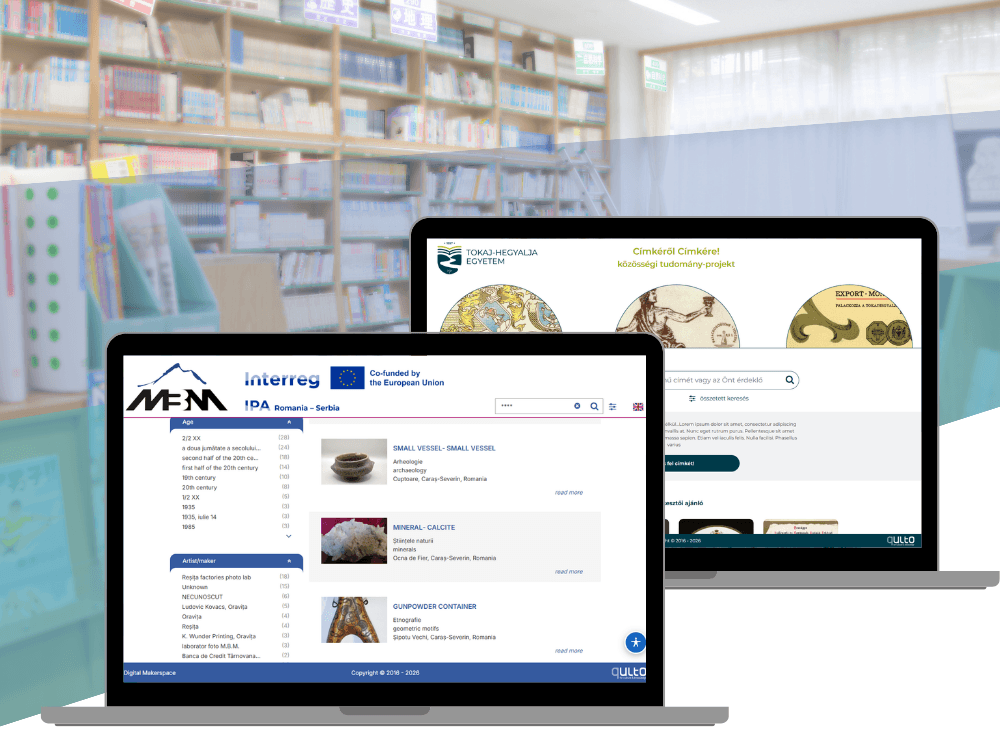
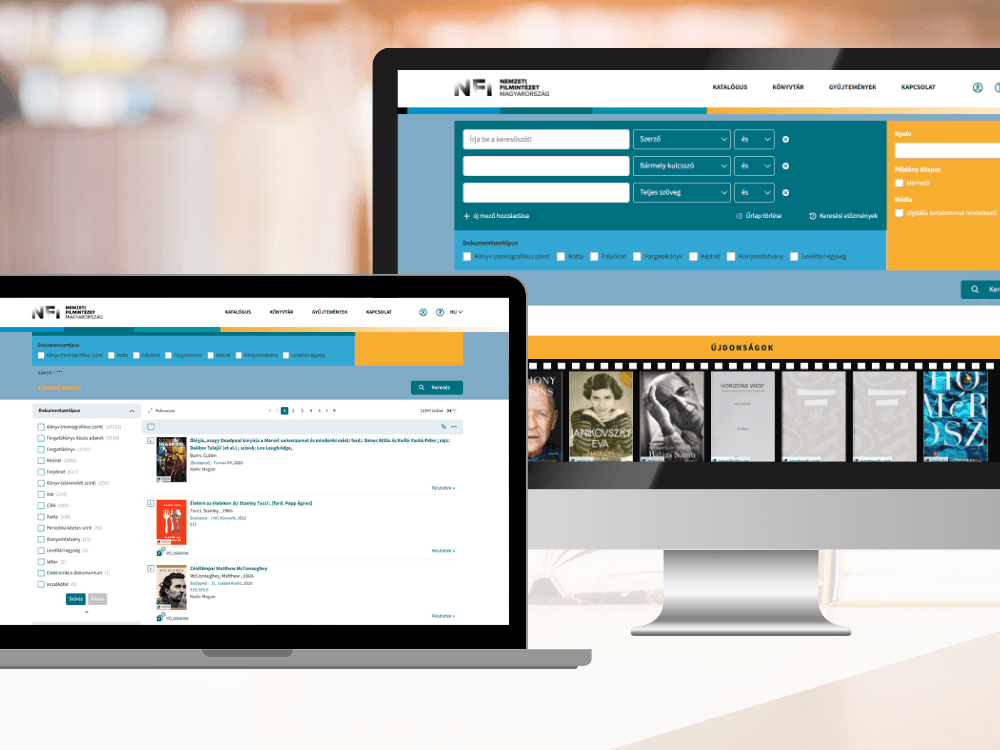
Beyond customising the design, the data fields to be displayed can also be configured individually. On the OPAC interface, logged-in readers can handle their library affairs remotely, 24 hours a day, from registration to online payment.
Beyond the usual online services, users can also look forward to personal recommendations, a customisable topic alert service, and the option to compile and share reading and academic literature lists.
During implementation, we tailor the Qulto OPAC/Discovery web interface to the institution’s needs in terms of both appearance and functionality. Appearance means adopting the institution’s brand elements (colours, fonts, frames, logos, backgrounds), while functionality primarily means adapting the search and filtering criteria and the data content of the results list and record pages to the institution’s requirements.
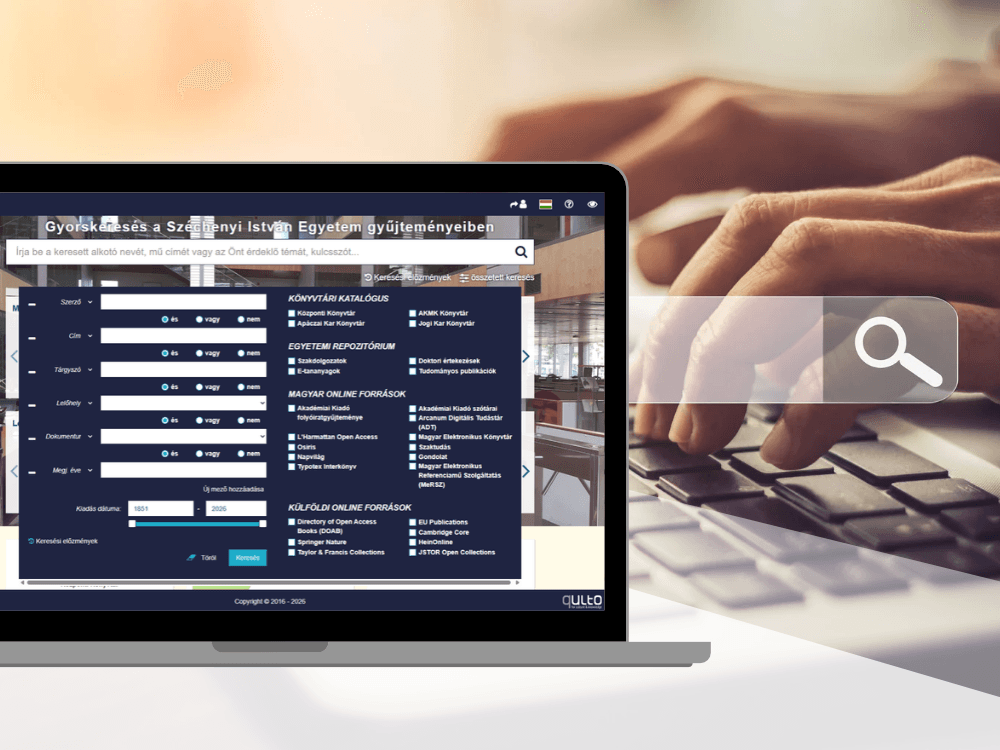
With the Discovery service, documents in the library’s collection can be searched on the library’s online interface together with the content of the institutional repository and e-books from online databases. Items from multiple sources appear in a single shared results list that can be sorted and filtered together, which increases the number of relevant results for readers for almost every search query.
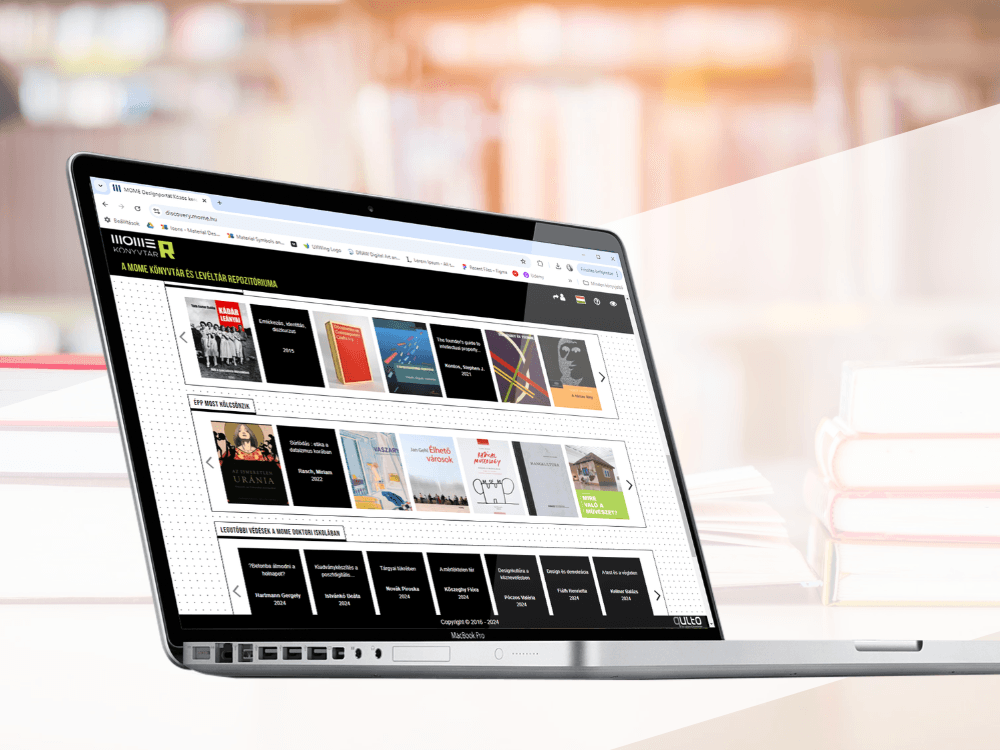
On the Qulto OPAC/Discovery home page, the institution can recommend books or other catalogue items to readers on gallery-style virtual bookshelves. These can include automatically generated and updated lists, such as new acquisitions or the most popular children’s books, as well as shelves curated by library staff, for example around current events, holidays or even life situations.
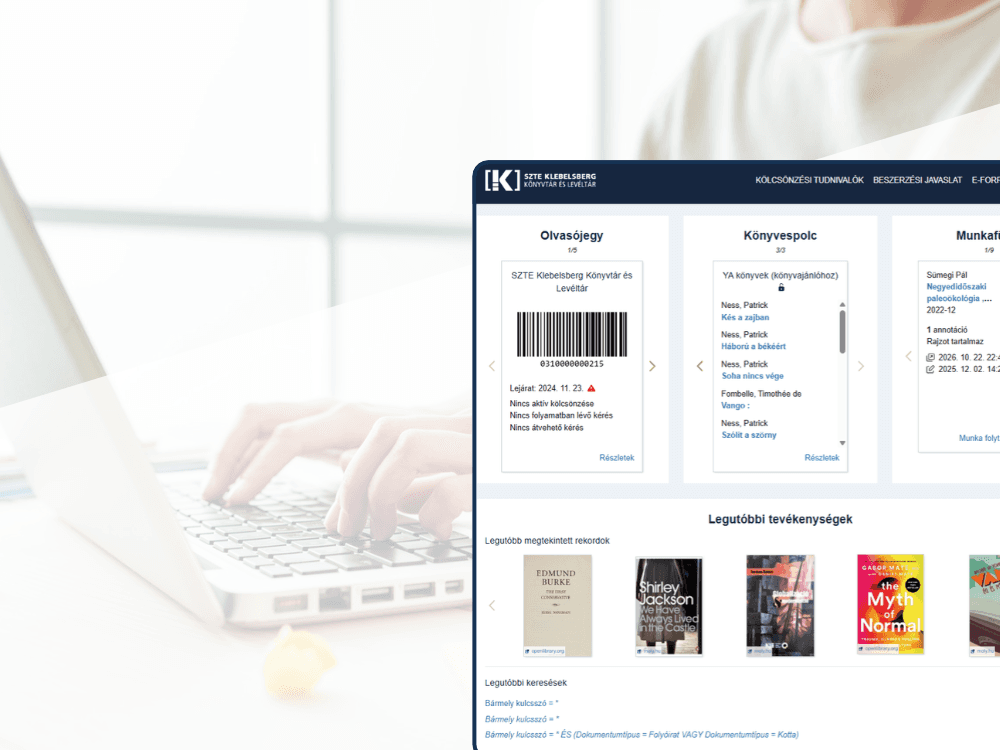
A dashboard tailored to their own needs can be set up for each reader category (university students, teaching staff, school pupils, children). It offers features such as personal reading lists, building bookshelves, saving search lists for topic alerts, and workbooks that support annotation and bookmarking.
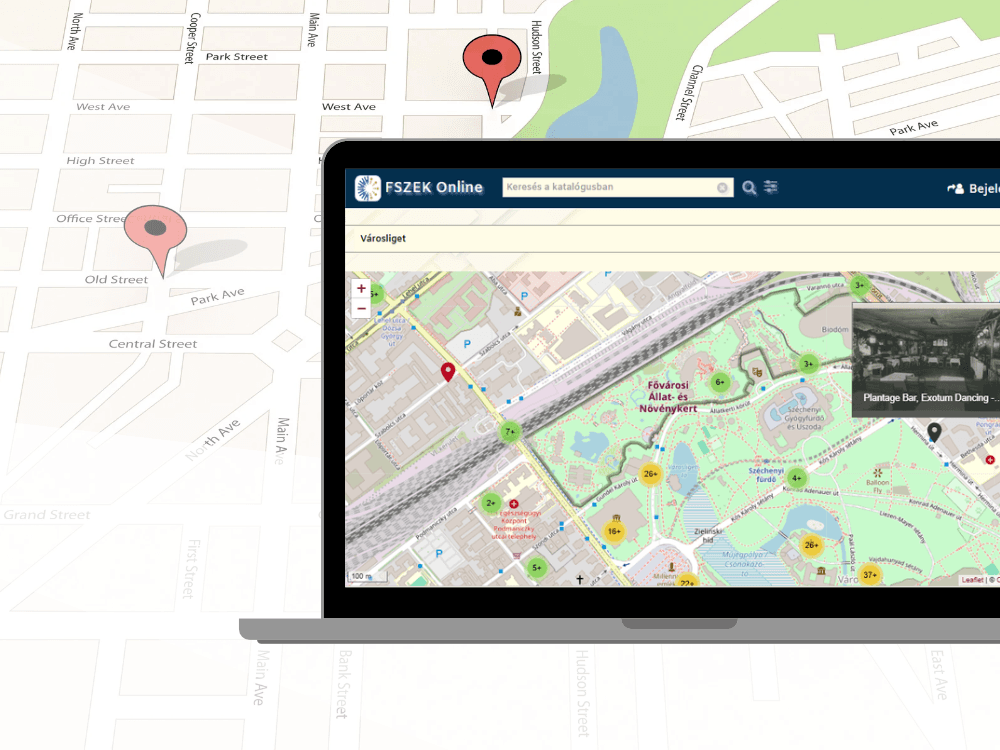
Catalogue records linked to geographic locations (photos, postcards, etc.) can also be placed on a map, allowing readers to discover items from the entire catalogue, or from part of it such as the local history collection, by browsing the map.
These capabilities are included in every OPAC implementation.
Automatic and curated recommendations: newest, most popular, our staff recommend.
Quick filters for defined reader groups above the result list.
Displaying the number of results returned by external content providers for a search query.
Virtual bookshelves, editing and sharing of lists.
Registration, renewal, reservation, online payment at any time.
Shared, relevance-based search across several data sources.
Independent, 24-hour reader services — fewer personal enquiries for librarians.
Personalised recommendations and topic alerts that bring readers back.
Faster, more relevant searching with featured facets and federated search.
A unified appearance that matches your identity on every device.
Reliable, highlighted librarian recommendations alongside reader reviews.
Extendable with other components of the Qulto Platform (Discovery, eCard).
Qulto Library is the internal collection management system, while the OPAC is the public online catalogue in which readers can search and handle their affairs on their own.
Logged-in readers can remotely, 24 hours a day, handle registration, renewals, reservations and online payment.
Personal recommendations, a customisable topic alert service, and the compiling and sharing of reading and academic literature lists.
Yes, the design can be adapted to your institution's identity, and the data fields to be displayed can also be configured individually.
Yes, with our Discovery solution, several catalogues, repositories and online databases can be searched together on a relevance basis.
For libraries, museums and archives alike — the Qulto Platform connects to any of our collection management systems.
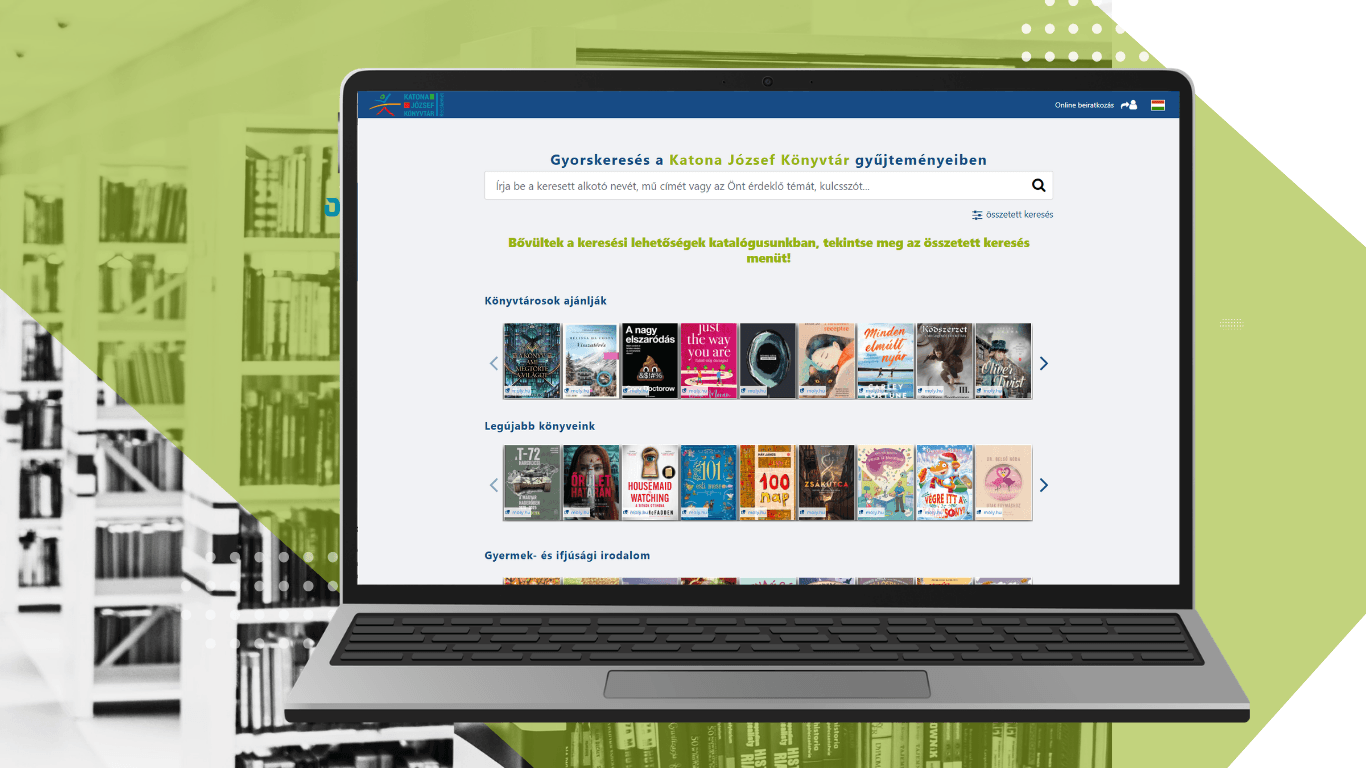
Search across the holdings of the Kecskemét library and the local libraries in its library service network, its local history collection and various external sources.
Open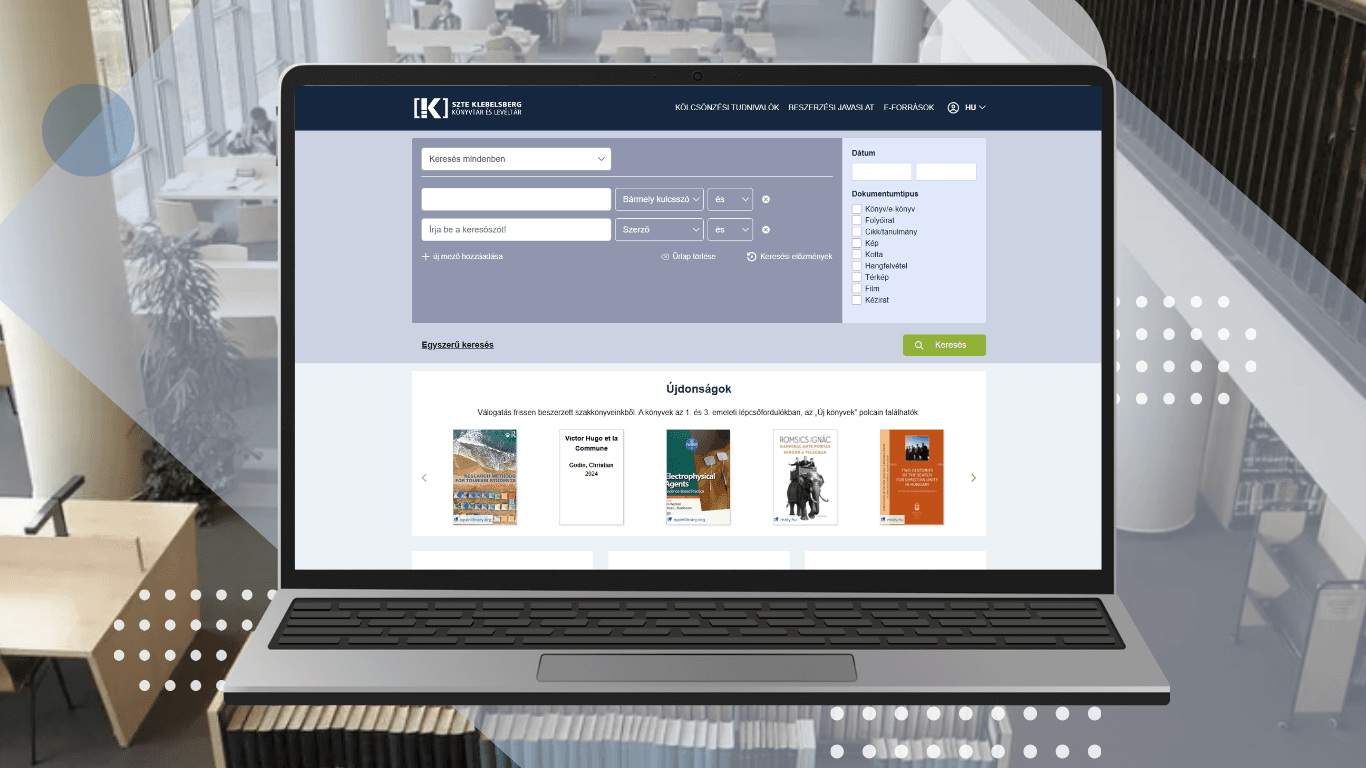
Extended search across the library’s own holdings and subscribed content: books, journals, manuscripts, sheet music, sound recordings and films, as well as electronic databases, e-books and e-journals.
Open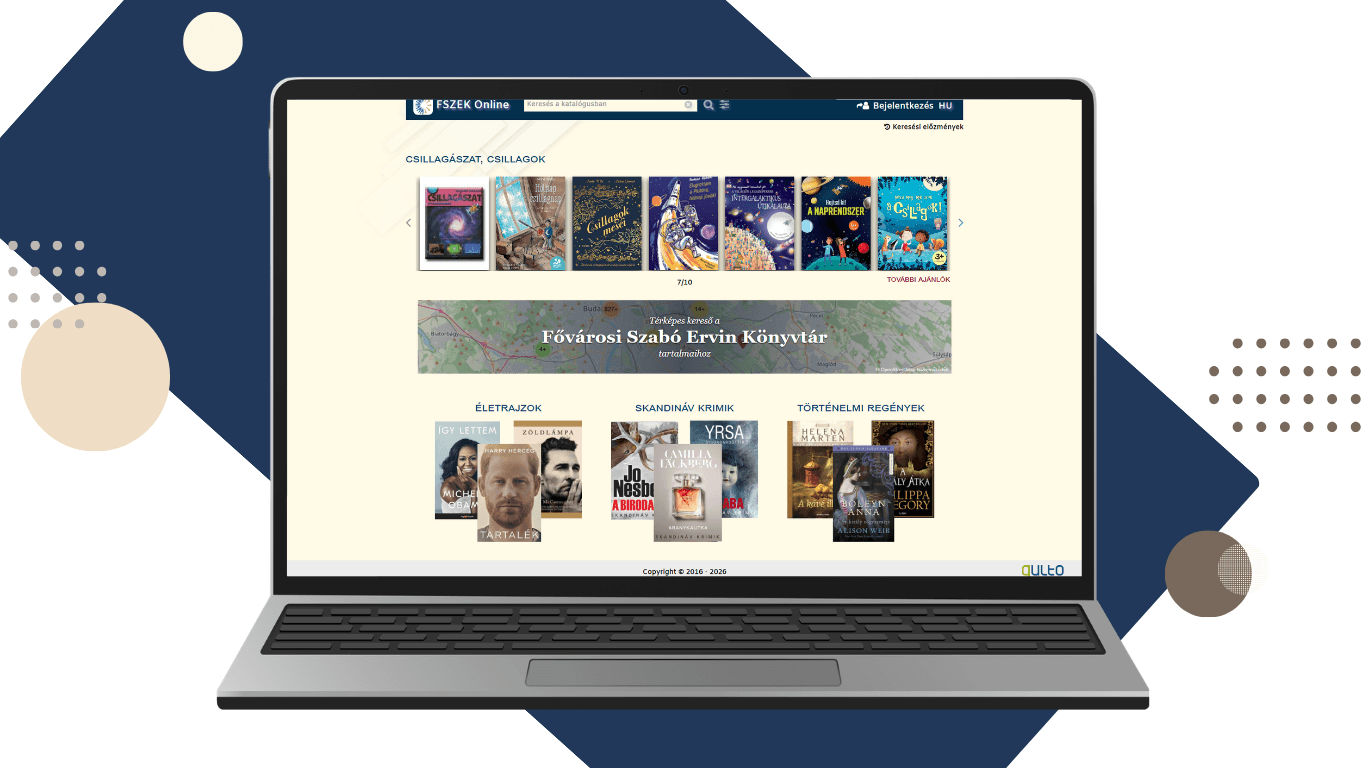
Search across documents in the library’s own holdings and Hungarian and international sources available through external databases, with a wide range of library recommendations and digital content.
OpenOur colleagues will gladly show you how the product works — leave your contact details and we will get in touch. Fields marked with an asterisk are required.